Microcement
Elegant, durable and seamless surface finishing for modern interiors
Microcement
Microcement is a versatile thin-layer coating based on high-strength cement and polymers (composite), applied at only 2–3 mm in thickness to produce an ultra-smooth, continuous seamless finish. It is used on walls, floors, stairs, countertops, and custom furniture across dry and wet environments (bathrooms, walk-in showers) due to its superior wear resistance and water impermeability.
Microcement is the premier choice for crafting minimalist, loft, or modern aesthetics devoid of distracting grout lines, as well as during renovation applied directly over existing tiles or concrete: its unique bonding strength enables dust-free transformations without tile removal, saving time and preserving room dimensions.
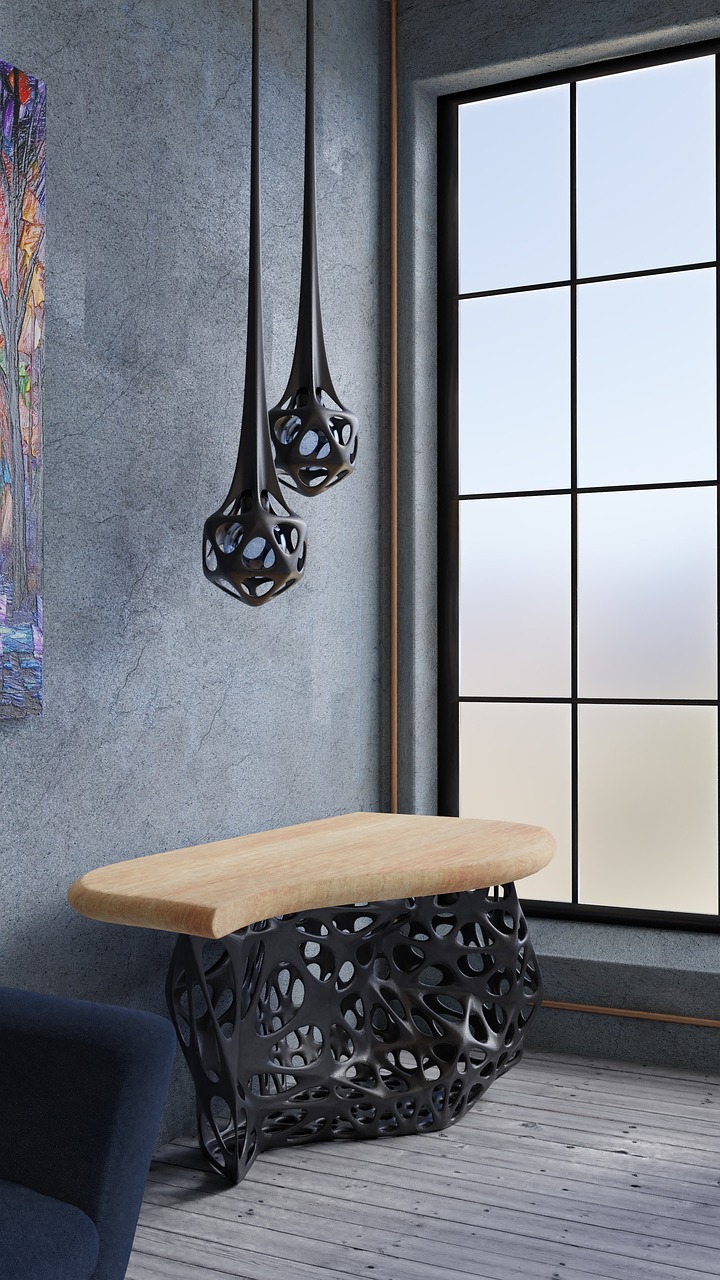
The nature of microcement: Mineral or organic?
Microcement is a hybrid composite material (polymer-cement composite). It comprises two primary components:
- Mineral Base: High-grade white Portland cement, refined quartz sand, and inorganic mineral pigments.
- Organic Binder: Liquid polymer resins that endow the coating with flexibility, tenacious adhesion, and waterproof performance.
It seamlessly combines stone-hard durability with elasticity and crack resistance.
Key building-physics specifications of microcement
The technical parameters of microcement significantly exceed standard concrete or plaster:
- Adhesion: Averages 1.2–2.0 N/mm². It firmly bonds to tiles, metal, plasterboard, and glass.
- Compressive Strength: Approx. 30–40 MPa, equivalent to high-grade industrial concrete suitable for demanding flooring.
- Vapor Permeability: Breathable composition, with final sealing controlled by the protective polyurethane varnish.
- Flexibility: Accommodates microscopic structural movement without surface fissures.
Can microcement be mixed with other building materials?
The answer is an unequivocal NO. Microcement is a calibrated, engineered system.
- Why you cannot blend it with wall putties: Standard gypsum or polymer putties are soft and unsuited for heavy loads. Mixing them degrades the chemical bond, ruining strength and water resistance.
- Compatibility with other minerals: Microcement must never be mixed with generic bag cement or sand. Adulteration alters the polymer ratio, causing discoloration and crumbling.
- Layering application: Microcement may be installed over cured mineral substrates (concrete, cement screed) once primed, but never blended into a single wet mix.
Crucial Note: Microcement functions as an integrated system: Primer → Base coat with mesh → Finish coats → Polyurethane varnish. Substituting components with cheap alternatives inevitably leads to delamination.
The ideal substrate for microcement
At just 2–3 mm thick, microcement mirrors the foundation beneath it. The ideal substrate must be rigid, structurally stable, clean, and chemically inert.
Here is an overview of optimal substrates:
1. Cement screed & concrete (The Gold Standard)
The most natural and resilient base, sharing identical thermal expansion properties.
- Why it is ideal: Exceptional adhesion and high load-bearing capability.
- Crucial condition: Concrete must be fully cured (min. 28 days) and dry (residual moisture < 4%).
2. Ceramic tiles & porcelain stoneware (Renovation Favorite)
Apply directly over old tiled surfaces without demolition.
- Why it is ideal: Tiles form an aged, fully settled, and non-deforming base.
- Crucial condition: Tiles must be solidly bonded. Grout lines are filled with base compound and fiberglass mesh to prevent telegraphing.
3. Drywall / Plasterboard (Dry Construction)
Microcement on drywall walls creates stunning, smooth modern architectural surfaces.
- Why it is ideal: Flat, true surfaces allowing precise and cost-effective application.
- Crucial condition: Framework must be sturdy (double-layer drywall recommended) and joints reinforced.
4. Self-leveling compounds (For Floors)
For newly poured floors, quality self-leveling compound creates the perfect canvas.
- Why it is ideal: Provides true flatness, ensuring no ripples show through the microcement finish.
Golden Rules for every surface
Every substrate must satisfy 4 core criteria:
- Hardness: Substrate must not crumble (old soft lime plaster is unsuitable).
- Cleanliness: Free of oils, grease, or wax contaminants.
- Dryness: Must not suffer from rising capillary damp.
- Stability: If the foundation cracks, the surface coating can crack along with it.
Substrates to avoid:
- Natural wood (parquet, solid planks): Wood expands and contracts significantly, leading to cracks.
- Large metal surfaces: Excessive thermal expansion differential.
- Flexible flooring: Linoleum or floating laminate.
Comparing microcement with other finishes
A side-by-side comparison illustrates where microcement excels over conventional materials.
| Feature | Microcement | Venetian Plaster | Wallpaper (Vinyl) | Paint (Washable) | Liquid Wallpaper | Tiles / Porcelain |
|---|---|---|---|---|---|---|
| Water Resistance | High (inc. showers) | Medium (with wax) | Low | Medium | Very Low | Maximum |
| Wear Resistance | Very High | Medium | Low | Medium | Low | Maximum |
| Seamless Surface | Yes | Yes | No | Yes | Yes | No |
| Floor Application | Yes | No | No | No | No | Yes |
| Application Complexity | Very High | Very High | Low | Medium | Low | High |
| Repairability | Demanding | Demanding | Strip replacement | Easy | Very Easy | Demanding |
In-depth microcement comparison
1. Microcement vs Tiles
Microcement is the primary alternative to tile in luxury bathrooms.
- Pros: Zero grout lines where mold and grime typically collect. Installs directly over old tiles without demolition.
- Cons: Standard budget tiling can be cheaper. Microcement requires meticulously prepared bases.
2. Microcement vs Venetian Plaster
Both are artisanal plasters, but designed for different functions.
- Style: Venetian plaster mimics polished classical marble. Microcement delivers concrete/stone aesthetics perfect for modern loft architecture.
- Usage: Microcement is far stronger and impervious to direct shower water streams. Venetian plaster cannot be used inside showers.
3. Microcement vs Wallpaper & Liquid Wallpaper
Entirely different durability tiers.
- Durability: Wallpaper is vulnerable to scratching and peeling, whereas microcement matches stone resilience.
- Liquid wallpaper: Easily patched, but damaged by water. Microcement is a permanent architectural finish lasting decades.
4. Microcement vs Classic Paint
Microcement is fully suited for floors as well as walls, creating monolithic floor-to-wall transitions.
- Aesthetics: Paint provides a flat tone. Microcement offers depth and organic tonal movement.
- Preparation: Paint exposes every microscopic grain. Microcement's thickness (2–3 mm) helps soften subtle substrate variations.
How much does microcement installation cost?
Microcement is a premium architectural finish. Its cost reflects specialized artisan manual labor and multi-layer chemical systems (primer, quartz mesh, base, finish, polyurethane topcoats).
Microcement Cost Breakdown (Material + Labor)
| Item | Average Cost | Included Scope |
|---|---|---|
| Material Package | €25 – €45 / m² | Primer, mesh, base coats, finish coats, pigments, polyurethane sealer. |
| Artisan Labor | €50 – €90 / m² | Preparation, multi-day layering (4-7 days), sanding, sealing. |
| TOTAL (Standard Project) | €75 – €135 / m² | Full turnkey execution from substrate preparation to cured finish. |
Pricing by Application Area
| Surface Type | Price per m² / Unit | Complexity Level |
|---|---|---|
| Walls (Living Areas) | €70 – €90 | Medium (aesthetic focus) |
| Floors (Living Areas) | €85 – €115 | High (mechanical strength) |
| Bathrooms / Showers | €110 – €145 | Very High (waterproofing & corners) |
| Stair Treads | €60 – €100 / step | Maximum (precise manual corner detailing) |
Pricing based on complexity level
Cost varies based on application area and technical demands:
- Walls (Living Areas): €70 – €90 / m² Standard application without heavy non-slip sealer requirements.
- Floors (Open Spaces): €85 – €110 / m² Demands high-strength base layers and ultra-hard topcoats.
- Bathrooms and Wet Showers: €110 – €140 / m² Complex application in confined spaces, multiple waterproofing membranes, and corner sealing.
- Stairs: €60 – €100 per step Calculated per step due to intricate hand-troweled internal and external angles.
Why does it command this investment?
- Multi-layer process: Execution takes 4–7 days. Each layer must cure and be sanded before the next.
- Handcrafted uniqueness: Every wall is a unique architectural piece troweled in real time.
- Tool wear: Microcement is highly abrasive, consuming premium diamond discs and blades.
How to optimize costs?
The main route to cost reduction is DIY installation by purchasing the material system alone. However, without expertise, there is substantial risk in sealing — an unsealed coat in a shower will absorb moisture and discolor.
Have questions? Inquire via our contact form