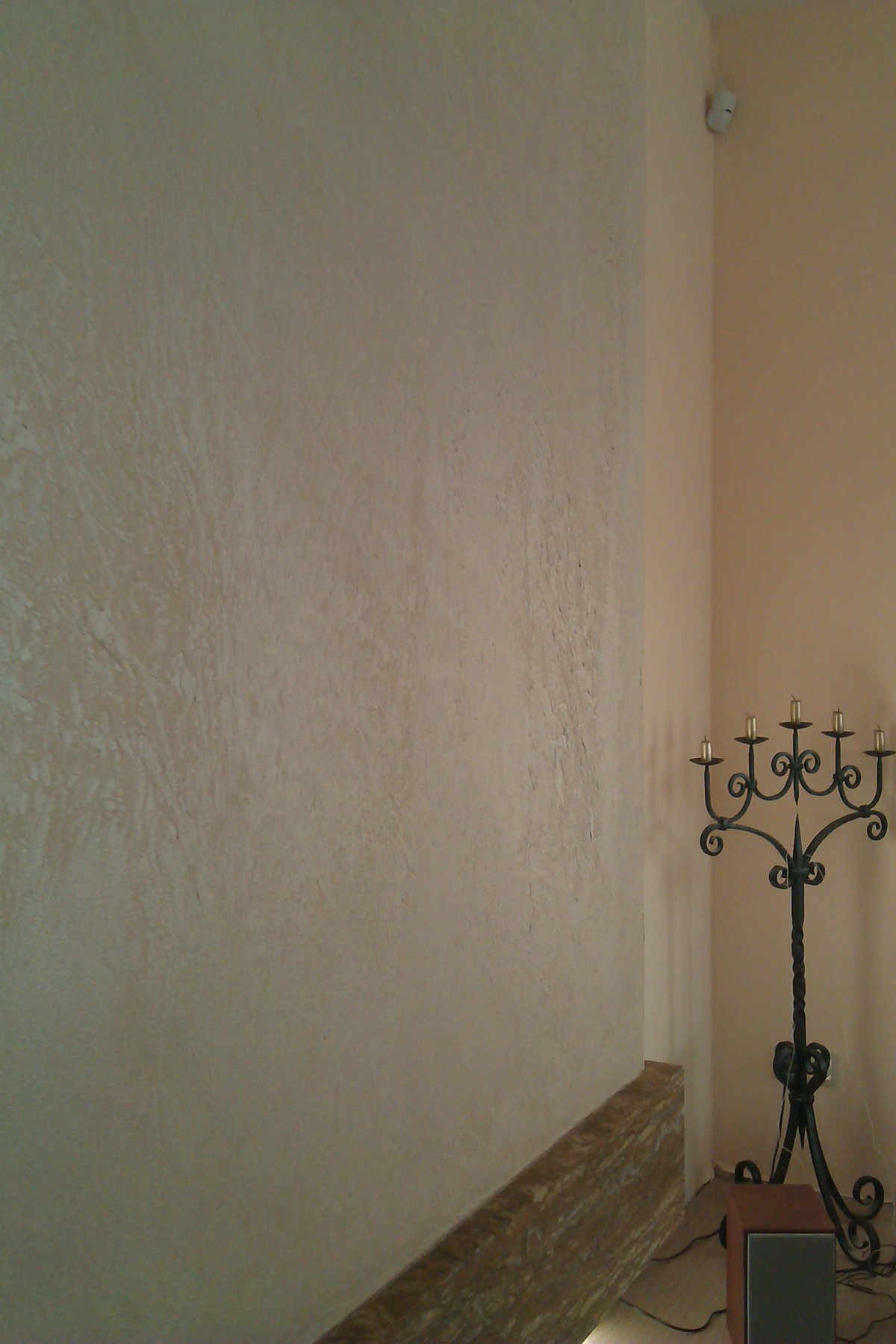
While building standards and technical norms can measure dimensions, the primary goal of professional painting is to deliver a visually stunning, flawless, and durable finish. When evaluating the quality of painted surfaces, objective industry criteria help ensure alignment between client expectations and master craftsmanship.
Inspection Standards and Lighting Conditions
Standard visual inspection protocol: Quality evaluation is conducted from a distance of 1.5 to 2 meters under natural diffuse daylight or under the permanent operational lighting of the room, looking perpendicularly at the wall surface.
- Lighting Conditions: Inspection should never be conducted using grazing raking light from a flashlight right against the wall unless specifically agreed upon for Q4 grade with specialized surface-raking fixtures.
- Uniformity of Coating: The surface must be free from roller marks, overlap lines, runs, brush marks, or dust inclusions.
- Sharp Cut-in Lines: Transition edges between ceilings and walls, as well as multi-color accents, must be razor-sharp with no paint bleeding under the masking tape.
Durability and Craftsmanship
High-end painting is the outcome of disciplined preparation: complete dust extraction, deep-penetrating primers, seamless skim-coating, and advanced Airless spraying. Entrusting your project to an experienced craftsman ensures lasting aesthetic pleasure and robust durability.